Hotline Jukebox
Fabrication, Technical Direction, Creative Direction
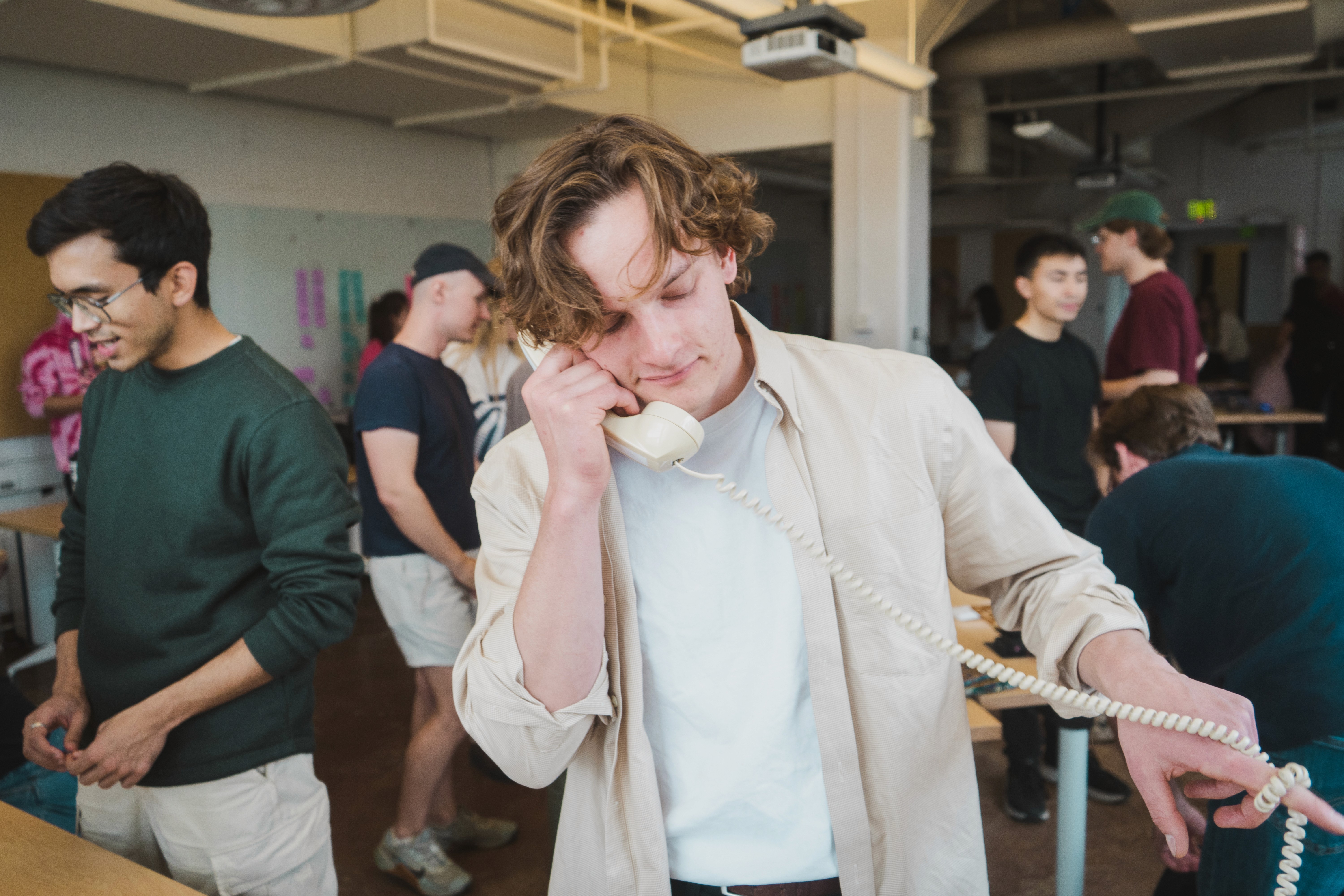
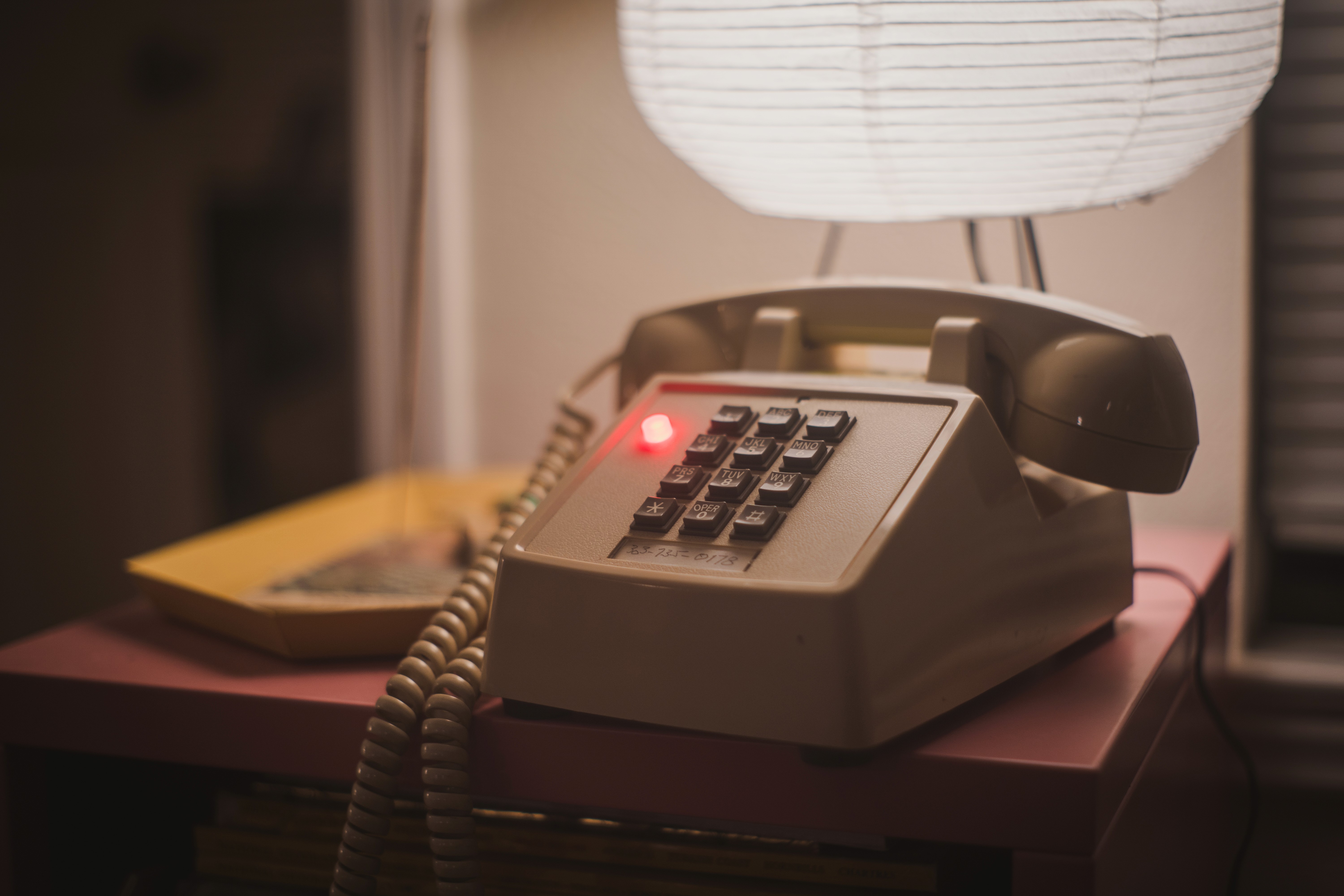
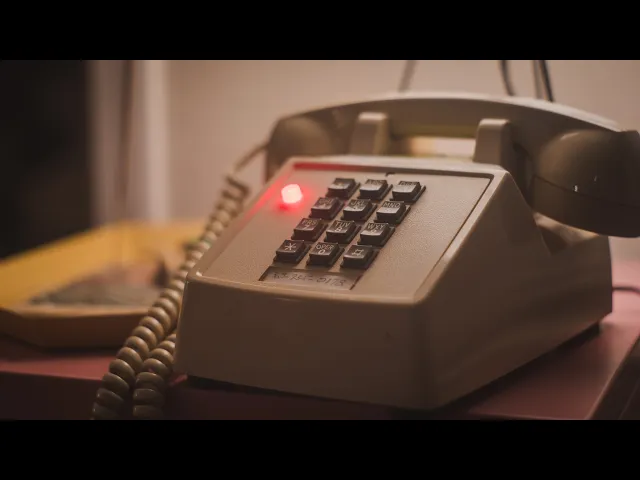
The Hotline Jukebox is my project playing with music, analog technology, storytelling, and an exploration into “micro-experiences”. I built this for my class; Creative Technology, taught by Zack Weaver at the ATLAS Institute at the University of Colorado Boulder in the Spring of 2026. The Hotline Jukebox was also featured in Installer No. 126 by The Verge.
With this project, I wanted the user to press real buttons and have what they hear directly tied to their input. I also wanted to retrofit an existing object rather than fabricate something completely new as an exercise in creating technology with a lower environmental impact. Using an old phone was a way to weave a sense of story while achieving these goals.
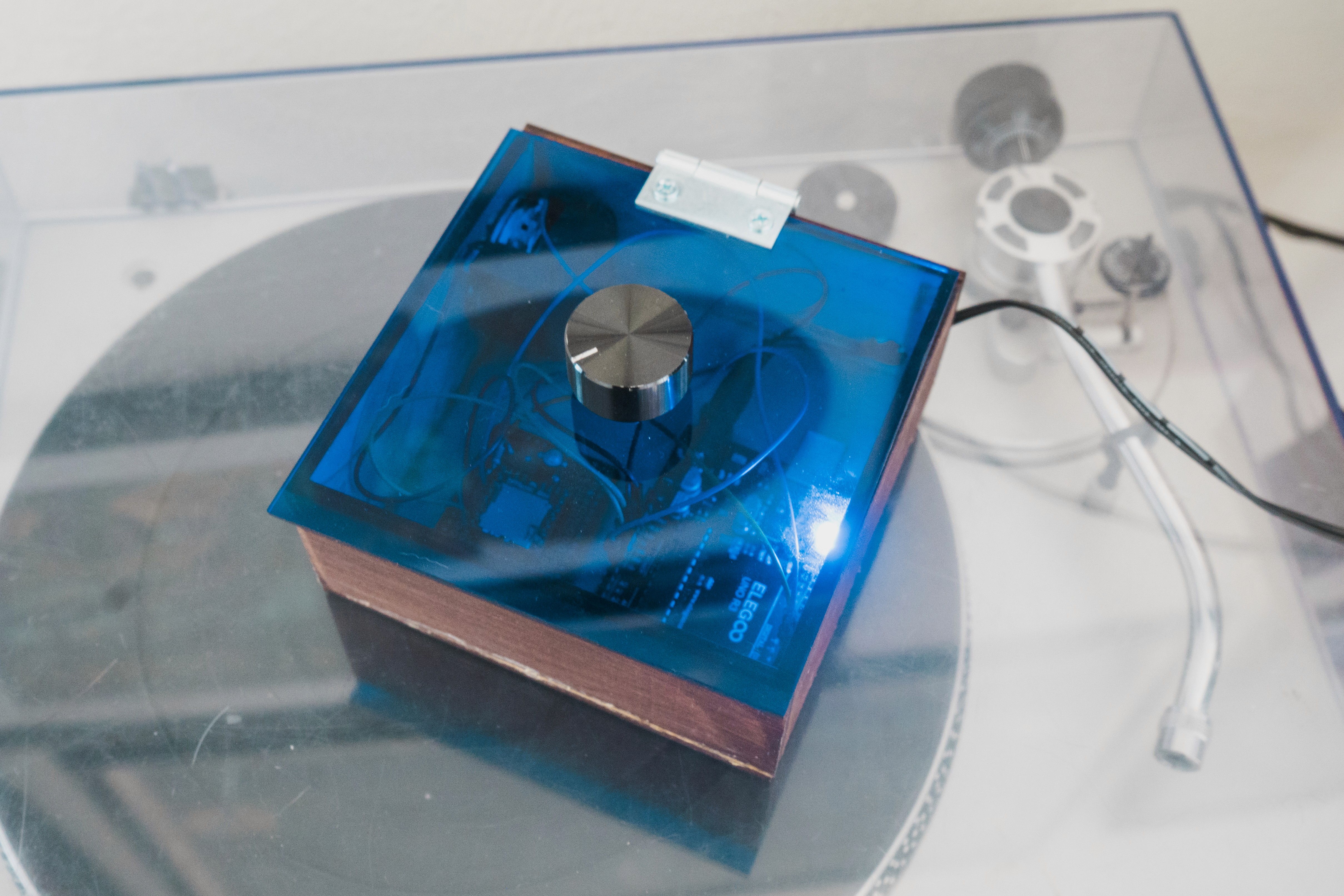
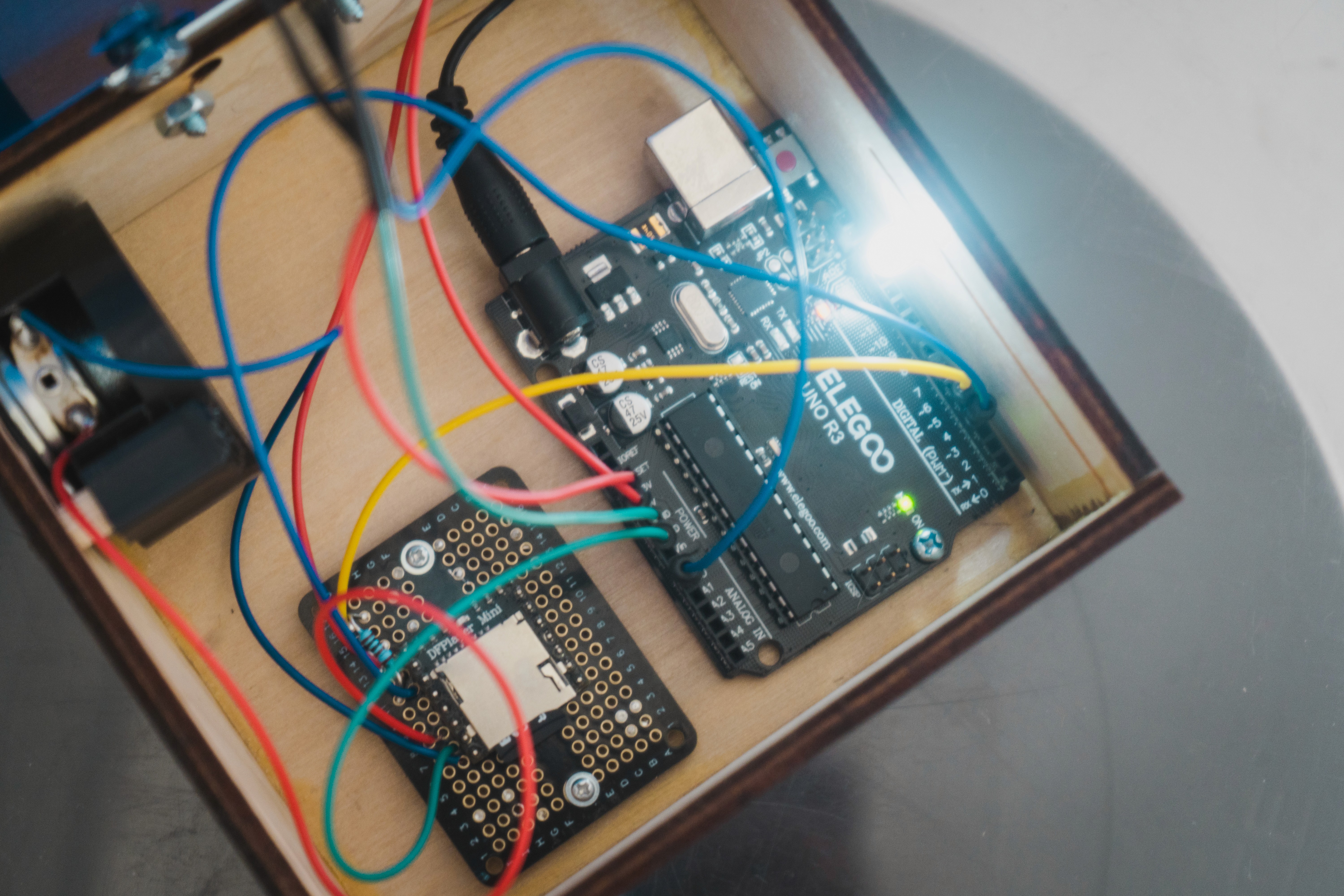
The Hotline Jukebox started as a box, laser cut from leftover acrylic and plywood, and a broken potentiometer for our midterm project earlier in the semester. This version allowed me to experiment with the DF Player that drives the system. This version of the project allowed me to refine the idea of the final result. Working with a potentiometer and its quirks helped me realize that I needed to pivot away from doing a radio type of project to an input system that was more reliable.

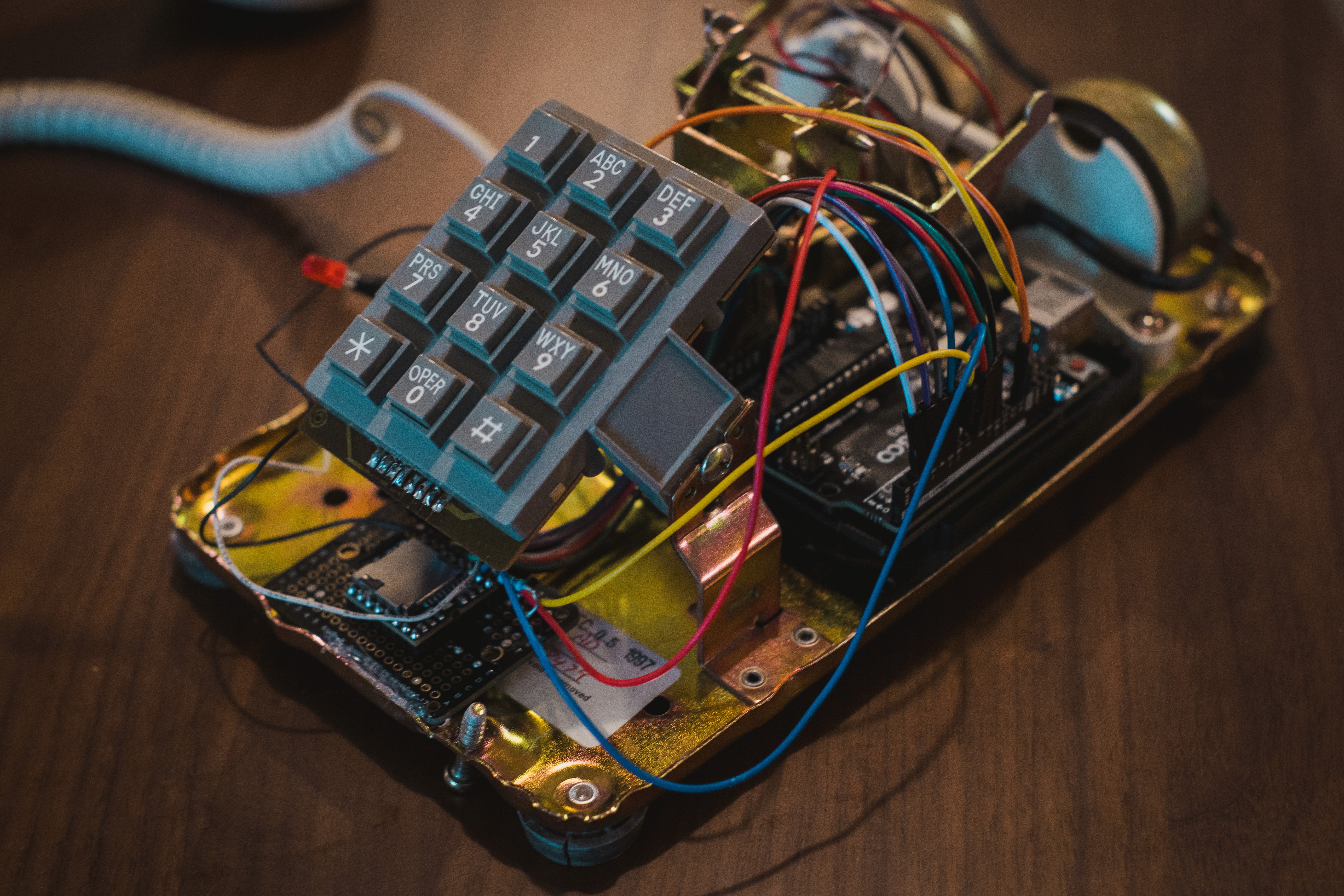
With an understanding of Arduino libraries and custom fabrication, I turned my attention to an old telephone. Converting an analog device into one that is run by an Arduino requires repurposing - and removing - the components. The headset now wired directly to the DF Player while the keypad was desoldered from the DTMF system into a new header that plugged into my Arduino UNO. Plenty of wires were removed in the process. I also created a sled that was 3D printed in order to attach the Arduino to the pre-existing mounting points within the phone as well as replacing the original light bulb with an LED.

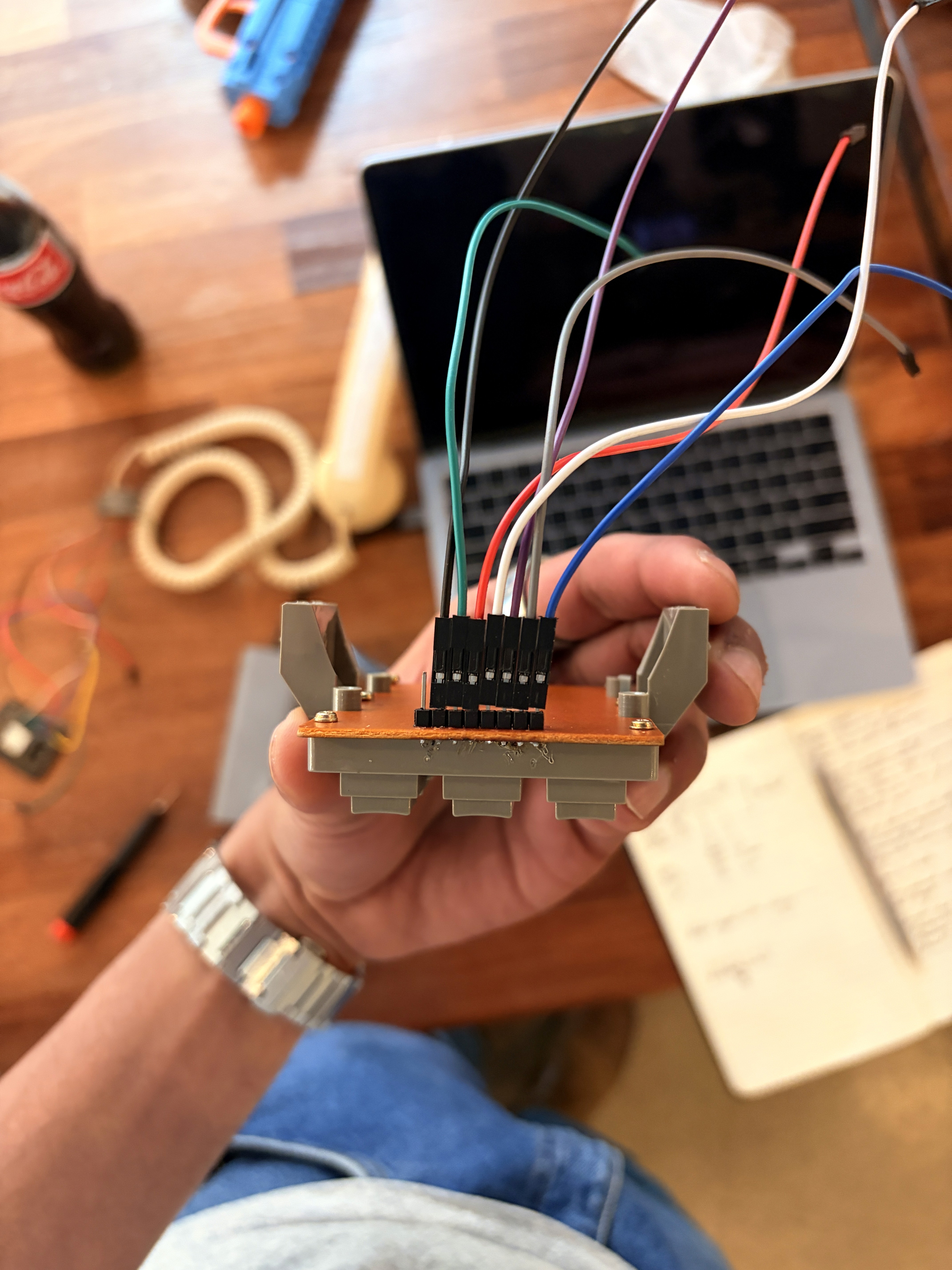
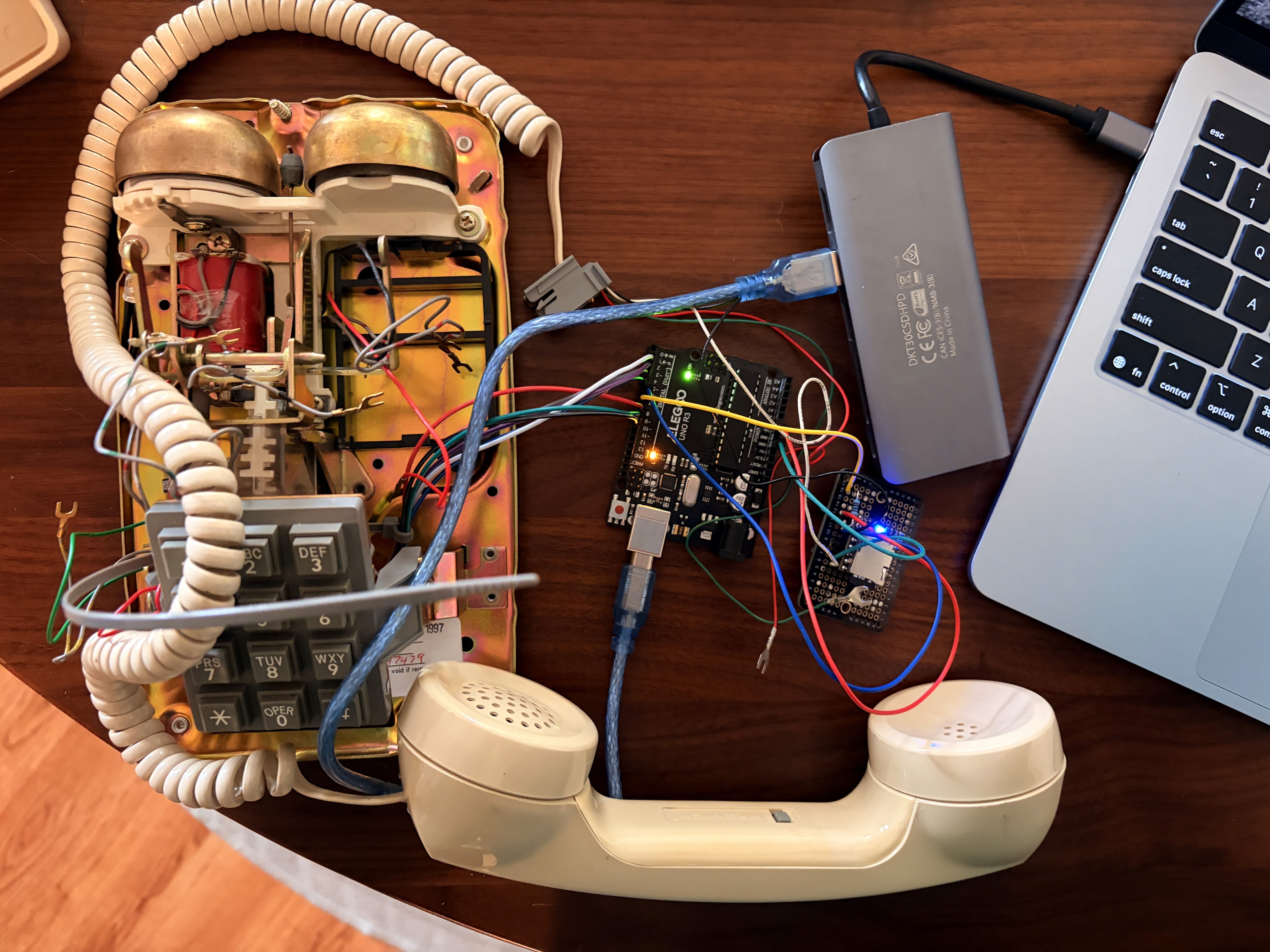
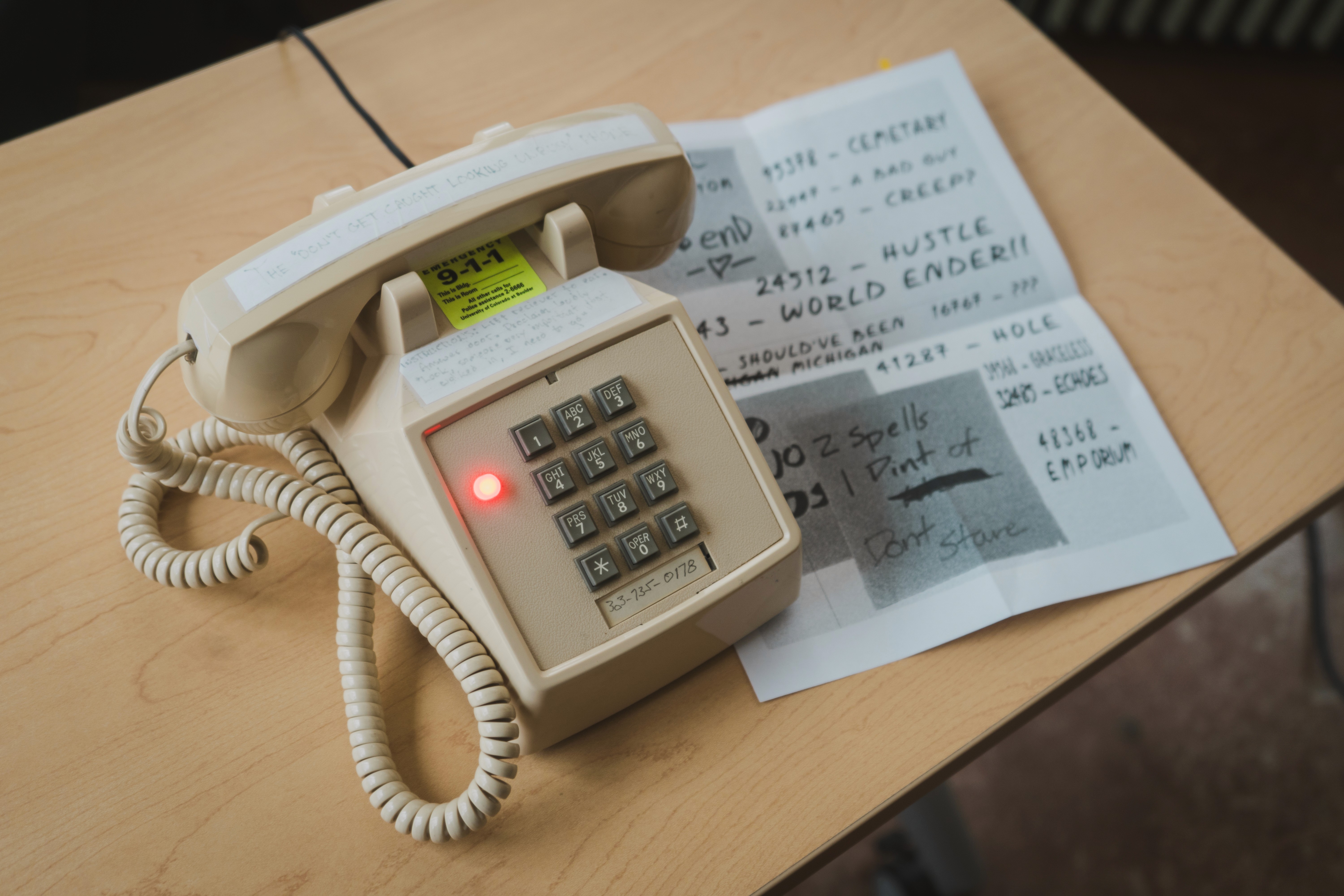
Once the insides of the phone were wired up and ready, I was able to use Adafruit's Keypad library, the DF Player, and a little bit of trial and error to transform the phone into an experience. The internals were packaged so that the SD card inside the DF Player was easy to access for future updates and the landline connection was removed to make space for the power adapter to plug into the board. I picked a handful of songs from my personal library and recorded audio logs that would then be paired up to "phone numbers" for the user to dial into.
You can find the project and connected assets on my Github.